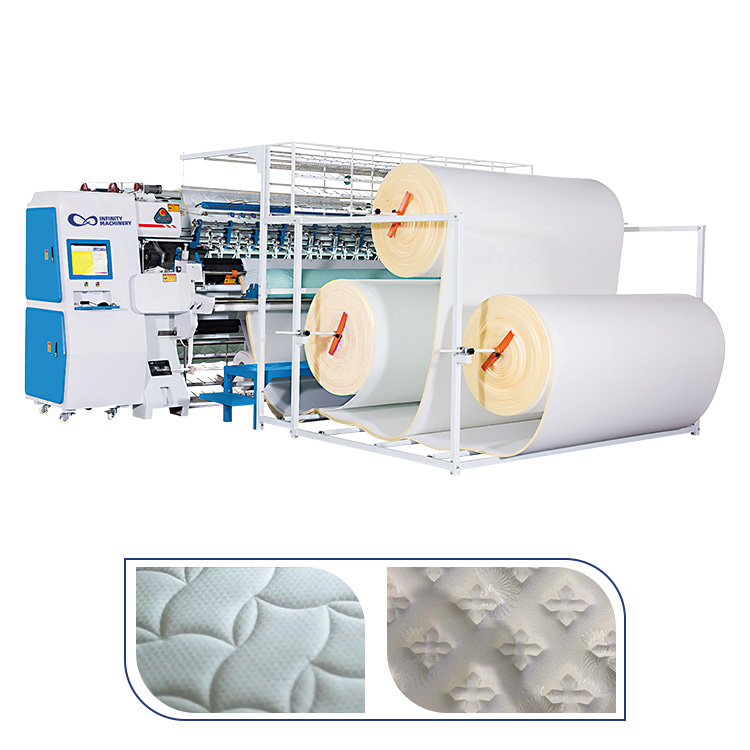
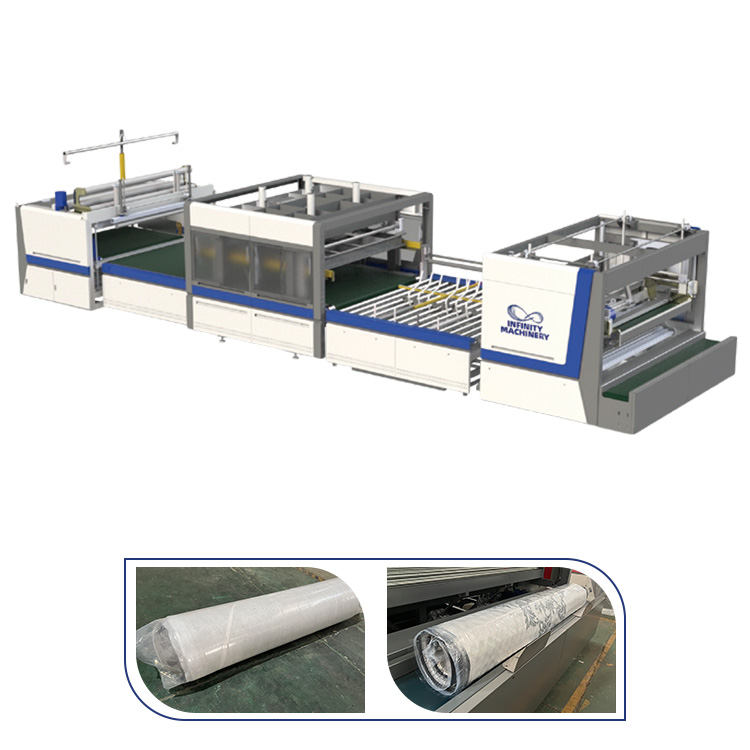
The mattress stacker is the machine that looks smooth until it is not: the platen arm swings, the sensor sees the unit and the stack rises, and the rhythm runs for the shift until the arm hesitates, the sensor misses and the unit lands crooked. The stuck arm is almost never the mechanical failure and almost always the small maintenance miss: the sensor lens picks up the dust and the fibers, the dust dims the beam, the sensor misreads the unit position and the platen arm swings at the wrong time, misaligning the stack and stopping the line. The rhythm of the stacker is the cycle timing, the sensor cleanliness and the operator routine, and the rhythm is kept by the schedule, not by the luck. The IF-Q-1200 Computerized Chain Stitch Multi-Functional Quilting Machine, the IF-SHY Double Head Mattress Border Decorative Machine and the IF-CR2 Mattress Rolling and Packing Machine are the machine cases this guide maps. This guide walks the cycle timing, the sensor dust mechanism, the cleaning schedule and the operator rhythm that keep the stacker smooth.
The stacker is the rhythm machine of the quilting line: the quilted panel arrives, the sensor sees it, the platen arm swings, the panel is lifted and placed on the stack, and the cycle repeats at the fixed interval that matches the quilting output. The rhythm is the timing of the cycle: the arm swings when the panel is in position, the sensor triggers at the right moment and the stack rises in the even layers, and the smooth rhythm is what keeps the line flowing without the pile-up or the gaps. The rhythm is the first thing the stacker loses: the timing drifts, the arm hesitates, the sensor misfires and the cycle becomes irregular, and the irregular cycle is the warning that the maintenance is due. The stacker problems are the timing problems, not the force problems: the arm that is misaligned is the arm that swung at the wrong moment, the stack that is crooked is the stack that received the panel at the wrong angle, and the sensor that is dusty is the sensor that triggered late or not at all. The rhythm question is what the maintenance answers, and the maintenance is the schedule of the cycle check, the sensor clean and the arm alignment, run at the fixed intervals before the rhythm breaks.
The three elements are the rhythm package, and the sections below map the maintenance for each one.
The cycle timing is the heartbeat of the stacker, and the ideal rhythm is set by the line, not by the machine. The quilting line produces the panel every thirty seconds or so, the stacker must clear the panel in the same interval, and the cycle is the swing, the lift, the place and the return, timed so the arm is back in position when the next panel arrives. The timing is the setup number: the stacker cycle is matched to the line rate at the installation, the swing speed and the dwell time are set, and the rhythm runs at the matched interval. The timing drift is the first maintenance signal: the arm slows with the belt wear or the pressure drop, the dwell stretches with the sensor hesitation, and the cycle runs long, so the panels pile up at the infeed and the line waits. The timing check is the shift routine: the operator counts the cycles in the minute, compares against the target, and notes the drift before the pile-up. The rhythm is kept by the small daily check, the cycle count, the swing sound and the stack height, and the check catches the drift when it is the seconds, not when it is the stopped line.
Cycle timing: swing, lift, place and return matched to the line output, roughly one panel per 30 seconds | Setup: swing speed and dwell time set to the line rate at installation | Drift signals: belt wear, pressure drop, sensor hesitation stretch the cycle | Shift check: count the cycles per minute, compare to the target, note the drift before the pile-up
The sensor dust is the hidden cause of the stuck arm, and the mechanism is simple. The stacker runs on the photoelectric sensors that see the panel and the stack, and the sensor lens sits in the air of the quilting line, the air that carries the fiber dust, the thread lint and the fabric particles from the quilting and the cutting. The dust settles on the lens, the beam dims and the sensor sees less than it should; the sensor that sees the panel late triggers the arm late, the sensor that misses the panel triggers no swing at all, and the arm swings into the wrong position, the platen catches the panel at the angle, the stack goes crooked and the machine stops on the alarm. The dust is the daily build: the first hours of the shift the lens is mostly clean, the beam is strong and the rhythm runs, and by the middle of the shift the lens has collected the layer that dims the beam, the hesitations begin and the stops follow. The ninety percent figure is the experience of the stacker lines: the overwhelming majority of the stuck-arm events trace back to the sensor that was not cleaned, and the maintenance that cleans the lens on the schedule prevents the events before they start. The sensor clean is the cheapest maintenance in the factory, a cloth and a minute, and it is the maintenance that keeps the rhythm.
The platen misalignment is the mechanical symptom that the sensor problem causes, and the crooked stack is the message. The platen arm lifts the panel and places it on the stack, and the placement must be square: the panel edges line up, the stack rises even and the units come off the stack with the clean alignment. When the sensor misfires, the arm swings at the wrong moment and the platen places the panel at the angle; the first crooked panel is the small offset, the second adds to the first and the stack leans, and the leaning stack is the hazard: the panels slide, the stack topples and the line stops for the re-stack. The misalignment is also the wear message: the repeated off-angle placements strain the arm guides and the pivots, the play grows and the arm drifts even with the clean sensors, so the weekly alignment check catches the mechanical drift before it becomes the crooked stack. The alignment check is the simple routine: the platen is cycled with the test panel, the placement is measured against the stack reference, and the guides and the pivots are adjusted when the placement runs off. The rhythm is the alignment: the arm that places square keeps the stack even, and the stack that is even keeps the line moving.
The signs are the stacker language, and the operator who reads them acts on the schedule, not after the topple.
The cleaning schedule is the rhythm of the maintenance, and the three intervals match the three failure modes. The shift rhythm: the sensor lenses are wiped at the start and the middle of every shift, the cloth removes the dust layer before it dims the beam, and the operator runs the test cycle after the clean to confirm the trigger. The day rhythm: at the shift end, the stacker is wiped down, the arm and the platen surfaces are cleaned of the lint build, the belt and the chain are checked for the tension and the pressure is verified, so the machine starts the next day clean. The week rhythm: the platen alignment is checked with the test panel, the guides and the pivots are inspected for the wear, the sensor positions are verified and the cycle timing is re-matched to the line rate, so the drift is corrected weekly. The schedule is the discipline that makes the stacker predictable: the machine that is cleaned on the schedule runs the same rhythm every shift, and the machine that is cleaned on the breakdown runs the breakdown rhythm instead. The cleaning schedule is the ninety percent fix: the dust that is removed on the schedule is the stuck arm that never happens, and the factory that runs the schedule measures the zero stuck-arm weeks, not the emergency calls.
Shift rhythm: wipe the sensor lenses at the start and middle of every shift, run the test cycle after the clean | Day rhythm: wipe down the arm and platen, check the belt tension and air pressure at the shift end | Week rhythm: platen alignment test, guide and pivot wear check, sensor positions, cycle timing re-match | The schedule is the 90% fix: the dust removed on schedule is the stuck arm that never happens
The operator rhythm is the human half of the stacker maintenance, and it is the half that catches the drift before the schedule does. The operator runs the stacker for the shift and hears and sees the rhythm: the swing sound, the placement thump and the cycle cadence, and the small changes, the hesitation, the off thump and the stack that leans a degree, are the early signals that the machine is drifting. The operator checks the stack alignment every few units, listens for the swing change, watches the sensor indicators and reports the small findings at the shift handover, so the next shift starts with the known state. The operator is also the first responder: the small sensor clean, the quick lint wipe and the reset after the test cycle prevent the breakdown call, and the operator who runs the daily routine keeps the stacker running without the service visit. The schedule cleans on the intervals and the operator watches between the intervals, and the two together keep the rhythm, because the stacker that is watched is the stacker that is smooth.
The implementation plan builds the smooth-stacker rhythm in five steps, run at the line. Step 1: the baseline, counting the current stuck-arm stops and the downtime, and naming the sensor, the alignment and the timing causes from the alarm records. Step 2: the schedule, writing the shift, day and week cleaning routine, the sensor wipe, the lint clean, the pressure check and the weekly alignment test, and posting it at the stacker. Step 3: the training, teaching the operators the cycle count, the swing listen, the stack check and the small clean, and the shift handover report, so the eyes and the ears are on the machine. Step 4: the alignment, running the weekly placement test, adjusting the platen and the guides, and re-matching the cycle timing to the line rate, so the machine starts from the square state. Step 5: the re-measure, running the schedule for a month and counting the stuck-arm stops against the baseline; the zero-stop weeks prove the rhythm, and the even stacks prove the alignment. The factory that runs the five steps keeps the stacker smooth, and the smooth stacker keeps the quilting line flowing.
The IF-Q-1200, the IF-SHY and the IF-CR2 cover the quilting, finishing and packing machines around the stacker, and the five-step plan builds the smooth-stacker rhythm on your line. Contact our quilting team for the stacker audit for your factory, the cleaning schedule template and the operator checklist that keeps your stacker running.
Contact our quilting team today for the stacker maintenance setup for your line: the sensor-cleaning schedule, the platen alignment procedure and the operator checklist that prevent the stuck-arm stops and keep the stack even.