

1. The Hidden Costs of Legacy Packaging and Thick PE Films
Packaging EfficiencyTraditional manual packaging operations rely on excessively thick polyethylene films and outdated compression methods that inflate material costs and consume valuable warehouse space. Factory owners frequently experience high film wastage, inconsistent seal integrity, and slow cycle times that bottleneck the entire shipping department. Upgrading to advanced mattress packing machines eliminates these operational inefficiencies through precise electronic controls.
Material Waste Factor
- Material Insight: Excessive film gauges increase raw material expenditures without providing additional structural protection for bed-in-a-box shipments.
- Technical Solution: Modern automated compression systems apply exact, uniform pressure, allowing plants to safely utilize thinner, eco-friendly films without risking package failure.
2. Engineering High-Precision Compression and Volumetric Reduction
Compression DynamicsAchieving maximum volumetric reduction requires precise synchronization between hydraulic or pneumatic clamping units and specialized vacuum chambers. Legacy machinery often suffers from uneven pressure distribution, resulting in deformed mattresses and compromised core recovery after unrolling. Transitioning to state-of-the-art roll-packing equipment ensures uniform thickness reduction across all foam densities and spring configurations.
Volumetric Ratio Analysis
- Operational Parameter: Inconsistent compression forces leave trapped air pockets, artificially expanding the final rolled package and wasting shipping space.
- Technical Solution: Servo-driven compression platens deliver calculated, repeatable pressure curves that evacuate air completely while preserving internal spring and foam integrity.
3. Optimizing Film Tension and Structural Integrity in Roll-Packing
Tension ControlFilm tearing and loose wrapping are persistent headaches in high-speed packaging plants, often driven by poorly calibrated mechanical unwinding brakes and friction inconsistency. When film tension fluctuates, packages suffer from wrinkles, moisture vulnerability, and aesthetic defects that damage brand reputation. Modern vacuum compression modules utilize closed-loop feedback to maintain absolute tension stability.
Mechanical Friction Factor
- Diagnostic Factor: Worn-out mechanical tensioners cause uneven film stretch, leading to mid-shift jams and wasted packaging materials.
- Technical Solution: Integrated digital tension sensors dynamically adjust feeder motor torque in real time, guaranteeing flawless hermetic sealing and wrap quality.
4. Maximizing Container Utilization and Lowering Freight Expenses
Logistics OptimizationShipping uncompressed mattresses is economically unsustainable in global commerce, where freight rates are dictated by volumetric weight rather than actual mass. By shrinking each mattress down to compact, cylindrical proportions, manufacturing plants can quadruple their truck and ocean container payload capacities. This dramatic reduction in freight cost per unit directly expands profit margins for export-driven bedding brands.
Freight Cost Index
- Economic Principle: Traditional flat-shipping restricts transport density, forcing facilities to absorb escalating shipping overheads on every dispatched truckload.
- Technical Solution: High-ratio roll compression standardizes package dimensions, enabling optimal pallet stacking and maximizing container volume utilization.
5. Mitigating Operational Bottlenecks with Automated Line Integration
Workflow AutomationStandalone packaging stations frequently create severe operational bottlenecks, forcing skilled operators to manually transfer, align, and feed heavy mattresses into sealing units. This reliance on heavy manual labor slows down shift throughput and increases the risk of workplace injuries. Incorporating robust mattress machinery and conveyor integration creates a seamless, continuous flow from quilting to final boxing.
Labor Dependency Metric
- Operational Bottleneck: Manual handling limits plant output to a fraction of upstream quilting and assembly speeds, restricting overall facility revenue.
- Technical Solution: Automated infeed conveyors, robotic guiding arms, and synchronized sealing mechanisms maintain continuous throughput matching high-speed production lines.
6. Ensuring Long-Term Durability and Minimal Maintenance Downtime
Plant MaintenanceFactory profitability relies heavily on machine uptime, making robust construction and simplified maintenance essential criteria when sourcing new capital equipment. Older packaging units demand constant mechanical tinkering, leading to unpredictable downtime and expensive technician callouts. Investing in reliable, high-specification equipment engineered by a reputable manufacturer safeguards long-term operational continuity.
Component Wear Analysis
- Maintenance Insight: Continuous high-pressure cycling accelerates wear on pneumatic valves and sealing wires, requiring durable metallurgy and modular designs.
- Technical Solution: Modern machines feature easily accessible modular components, self-diagnostic software panels, and centralized lubrication systems that slash routine maintenance hours.
Essential Machinery for Scaling Production
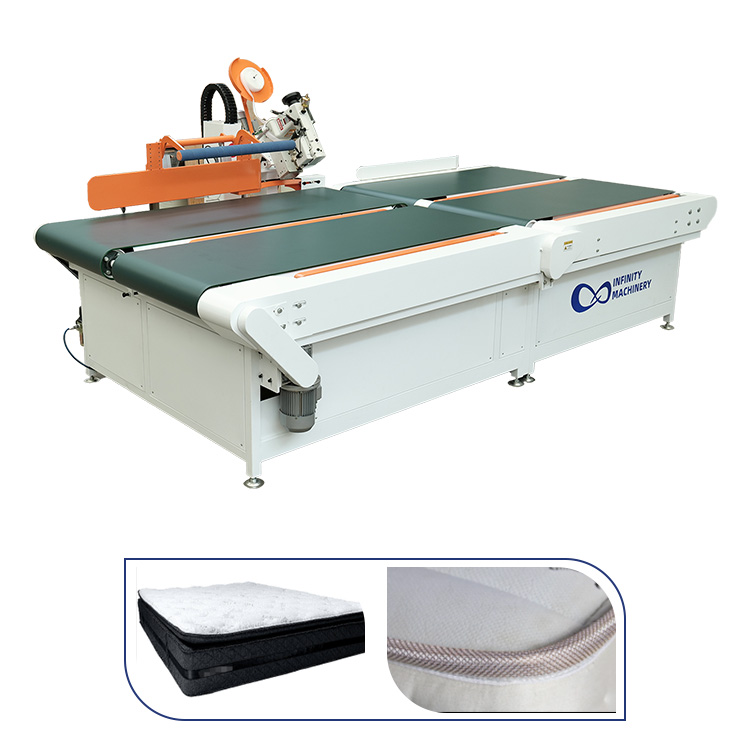
Features an integrated robotic arm and PLC control to automate mattress taping, slashing labor intensity and boosting line throughput.

Heavy-duty double-beam system allows simultaneous quilting of two mattress panels, doubling output with high precision and durability.
Strategic Investment in Sustainable Packaging
Upgrading from legacy packaging setups to advanced roll-packing technology is no longer optional for competitive bedding manufacturers. By minimizing film thickness, eliminating material waste, and exponentially increasing freight density, factory owners drastically reduce cost-per-bed and secure long-term operational profitability.
Ready to Upgrade Your Factory Line?
Contact our engineering consultants today to discuss custom manufacturing solutions tailored to your production volume.


