

1. Diagnosing Pneumatic Line Pressure Drops
Pressure DiagnosticsPressure drops during the compression cycle compromise vacuum seal integrity and slow down the entire packaging workflow. Technicians must methodically isolate pneumatic circuits using digital manometers to locate restrictors, leaking fittings, or failing regulators.
Diagnostic Factor
- Flow Restriction: Sudden pressure starvation during multi-actuator operation indicates undersized supply lines or clogged manifold ports.
- Technical Solution: Install digital pressure transducers at critical manifold branches to monitor live pressure drops and replace restricted quick-connect fittings immediately.
Pneumatic Circuit Integrity
- Leakage Identification: Micro-leaks at threaded joints introduce continuous air bleed that overworks compressors and drops line pressure.
- Technical Solution: Apply ultrasonic leak detectors along all pneumatic headers to pinpoint escaping air and re-seal threaded unions with high-grade anaerobic sealant.
2. Identifying Seal Bar Thermal Inconsistencies
Thermal CalibrationInconsistent heat distribution across sealing elements leads to weak weld seams, resulting in nitrogen or vacuum loss in rolled beds. Monitoring thermocouple feedback and inspecting heating element contact points ensures uniform thermal bonding across polymer films.
Thermal Property
- Heat Dissipation: Uneven clamping pressure causes localized hot and cold spots along the sealing jaw, producing incomplete thermal bonds.
- Technical Solution: Calibrate PID temperature controllers and inspect Teflon tape barriers for wear, replacing degraded layers to ensure smooth heat transfer.
Electrical Resistance
- Element Fatigue: Aging heating ribbons experience electrical resistance drift, reducing overall thermal output during high-speed packaging cycles.
- Technical Solution: Measure current draw across heating elements regularly and swap out fatigued resistance wires before complete burnout occurs.
3. Inspecting Vacuum Chamber Gasket Degradation
Seal IntegrityContinuous compression cycles cause rubber and silicone chamber seals to harden, crack, or compress unevenly over time. Regular visual and tactile inspections help catch micro-fissures before they precipitate catastrophic vacuum failure across modern automatic mattress packing machines.
Elastomer Wear
- Material Hardening: Exposure to ambient shop oils and continuous mechanical compression causes sealing gaskets to lose their elastic memory.
- Technical Solution: Clean gaskets weekly with approved solvents and maintain a routine replacement schedule every six months to prevent air ingress.
Compression Set
- Uneven Sealing: Permanent deformation along high-stress corners creates gaps that bypass the initial evacuation phase.
- Technical Solution: Adjust chamber closing limits and utilize high-density closed-cell silicone profiles designed to withstand heavy industrial duty cycles.
4. Calibrating Solenoid Valves and Pneumatic Actuators
Pneumatic ControlSticky or sluggish solenoid valves delay the timing of jaw closure and air evacuation, throwing off the packaging cycle synchronization. Cleaning valve spools and verifying coil voltages restores rapid pneumatic response times.
Valve Response
- Spool Stiction: Varnish buildup from unlubricated compressed air causes directional control valves to hesitate during rapid cycling.
- Technical Solution: Disassemble and clean pneumatic spools in an ultrasonic bath, ensuring proper inline oil mist lubrication is maintained.
Actuator Cycle
- Cylinder Bypass: Internal piston seals wear out over time, allowing compressed air to leak past the chamber and reducing clamping force.
- Technical Solution: Rebuild pneumatic cylinders with fresh seal kits or replace damaged units to restore full mechanical thrust.
Advanced Machinery for Optimized Packaging Lines
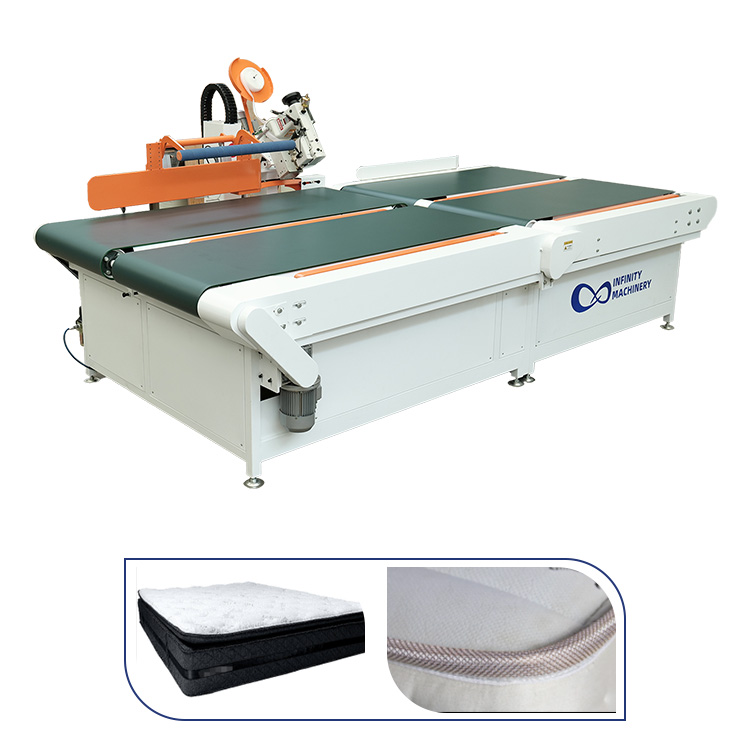
Totally automatic high-speed tape edge machine featuring automated rotation, flipping, and reliable PLC control to maximize manufacturing output.

Ergonomic tape edge system equipped with advanced servo controls for high-precision sewing and stable, uninterrupted factory performance.
5. Mitigating Air Filter and Moisture Contamination Blockages
Filtration MaintenanceCompressed air lines frequently accumulate moisture and particulate debris, which gums up pneumatic cylinders and degrades internal valve seals. Implementing a rigorous daily drain schedule and replacing filter elements protects sensitive pneumatic hardware across advanced factory automation systems.
Moisture Contamination
- Condensation Build-up: Water droplets traveling through pneumatic lines wash away internal lubricants and corrode spring returns.
- Technical Solution: Install refrigerated air dryers and automated auto-drain valves upstream from delicate packaging machinery.
Filter Lifecycle
- Element Saturation: Particulate filters clogged with rust and oil residue restrict CFM air flow, causing sudden pressure drops under load.
- Technical Solution: Monitor differential pressure gauges across filter banks and replace cartridge elements when pressure drop exceeds 0.1 MPa.
6. Resolving Compression Mechanism Misalignments
Mechanical AlignmentMechanical wear on guide rails or uneven torque on drive chains can cause compression platens to press askew, applying unbalanced force. Realigning guide assemblies prevents premature seal pinching and uneven film tensioning.
Platen Parallelism
- Angular Deflection: Unbalanced vertical movement leads to uneven clamping forces, resulting in incomplete edge seals on oversized mattresses.
- Technical Solution: Use precision dial indicators to level compression platens and readjust drive timing belts to ensure uniform travel.
Drive Torque
- Mechanical Binding: Dry linear bearings or misaligned guide rods force motors to overdraw current, triggering thermal overloads.
- Technical Solution: Apply high-temperature synthetic grease to linear bearings and verify shaft alignment using laser alignment tools.
7. Establishing Replacement Thresholds for Worn Parts
Lifecycle ManagementAttempting to continually patch aging seals and worn-out pneumatic cylinders often costs more in downtime than proactive component replacement. Setting strict operational hour thresholds for high-wear parts guarantees maximum plant throughput and zero unexpected failures.
Component Fatigue
- Material Degradation: Rubber hoses, dynamic seals, and heating elements experience predictable fatigue cycles that dictate operational lifespan.
- Technical Solution: Adopt a condition-based maintenance program that logs cycle counts and replaces critical wear items proactively during scheduled downtime.
Economic Evaluation
- Downtime Cost: Reactive repairs during peak production hours create severe bottlenecks that outweigh the modest cost of replacement parts.
- Technical Solution: Maintain an on-site inventory of high-turnover spare seals, valves, and heating elements to minimize Mean Time to Repair (MTTR).
Engineering Reliability for Plant Profitability
Proactive maintenance and systematic troubleshooting of packaging machinery directly eliminate costly bottlenecks, protecting your investment and ensuring consistent, high-speed bed-in-a-box output.
Ready to Upgrade Your Packaging Efficiency?
Consult with our engineering team to integrate high-performance machinery and eliminate downtime in your facility.


