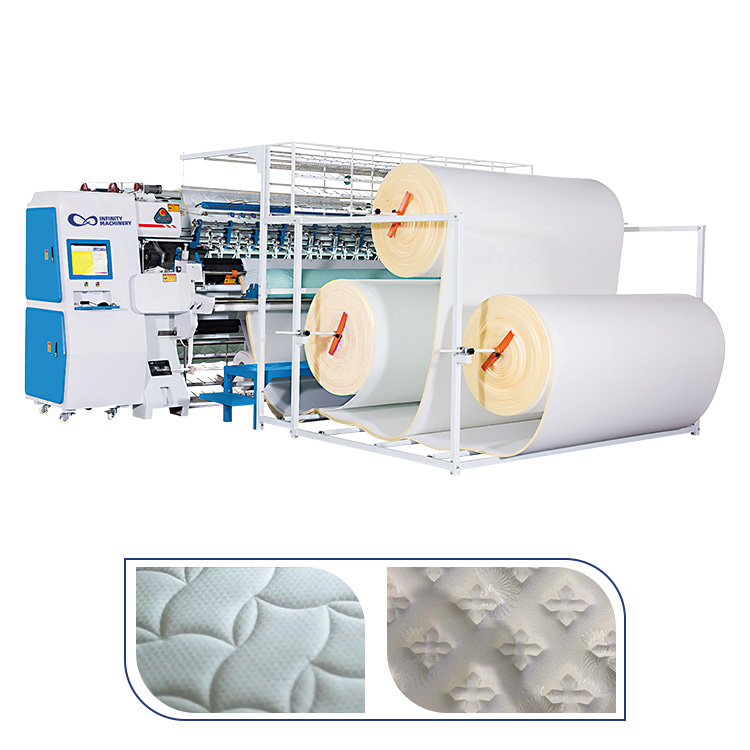
The customs hold is the expensive end of a missing label, and the machinery that ships without the correct CE marking, nameplate and manual language sits in the bonded warehouse while the buyer waits. The CE marking is the first rule: the machine that falls under the machinery directive must carry the CE mark, and the mark is not the certificate but the visible declaration that the machine meets the safety and the EMC requirements. The nameplate is the second rule: the machine carries a plate with the manufacturer, the model, the serial number, the year, the power and the weight, and the nameplate must match the CE file and the declaration of conformity. The manual language is the third rule: the user manual must ship in the official language of the destination market (the English for the many markets, the German and the French and the Spanish for the local ones), and the manual in the wrong language holds the machine as surely as the missing mark. The documentation is the fourth rule: the declaration of conformity, the technical file, the test reports and the invoice travel with the shipment, and the customs checks the documents against the nameplate and the marking. The IF-FF3 Automatic Box Foaming Machine, the IF-Q-1200 Multi-Functional Quilting Machine and the IF-CR8 Compression and Roll Packing Machine ship with the full marking and documentation package.
The customs hold is the moment the missing label becomes the expensive problem, and the hold starts when the shipping agent submits the declaration. The first check is the entry: the customs system flags the machinery for the inspection when the classification or the documents look incomplete, and the flag sends the shipment to the bonded warehouse. The second check is the physical inspection: the customs officer opens the case, reads the nameplate, looks for the CE mark and compares the marking against the declaration of conformity, and the machine without the mark, the wrong nameplate or the missing serial number fails the check. The third cost is the delay: the hold runs the days to the weeks while the customs asks for the missing documents or the correction, the buyer loses the production time and the warehouse charges the storage per day. The fourth cost is the rejection: the machinery that cannot prove its conformity is refused entry, returned to the sender or scrapped, and the rejection costs the machine, the freight and the order. The hold math: the inspection that takes the day for the compliant machine takes the week for the non-compliant one.
The CE marking is the visible declaration that the machine meets the requirements, and the mark has the rules that the customs knows by heart. The applicability is the first rule: the machinery directive covers the machines, and the CE mark is required for the machinery placed on the market in the European Economic Area, while the export to the other markets still ships with the mark because the buyers demand it. The placement is the second rule: the CE mark is affixed to the machine visibly, legibly and indelibly, next to the nameplate. The size and the form are the third rule: the CE mark is the specific two-letter symbol with the proportions fixed by the directive, and the deformed or the tiny mark reads as the fake to the officer. The documentation link is the fourth rule: the CE mark on the machine must be backed by the declaration of conformity and the technical file. The marking rule: the CE mark is the visible face of the compliance package, and the machine that carries the correct mark, in the correct place, in the correct form, with the correct file behind it passes the inspection.
The nameplate is the identity card of the machine, and the customs reads the eight fields that must match the paperwork. The manufacturer is the first field: the legal name and the address of the maker, and the name must match the declaration of conformity and the invoice. The designation is the second field: the machine model or the type, and the model must match the technical file and the certificate. The serial number is the third field: the unique number of the machine, and the serial must match the declaration and the test report. The year of manufacture is the fourth field: the CE marking often requires the year of construction on the plate, and the year dates the machine for the applied standards. The power is the fifth field: the electrical rating (the voltage, the frequency, the power in kilowatts and the current), and the rating must match the wiring and the manual. The weight and the dimensions are the sixth field: the machine weight and its footprint, and the weight on the plate must match the shipping documents. The standards are the seventh field: the harmonized standards applied, printed on the plate or in the file. The marking field is the eighth: the CE mark itself, placed with the nameplate, and the mark is the field the officer checks first. The nameplate rule: the eight fields must be stamped or etched, not the printed paper, and the fields must match the CE file so the customs reads one story from the plate and the papers.
The manual language is the rule that the exporters most often miss, and the machinery directive requires the instructions in the official language of the destination market. The requirement is the first: the user manual, the installation guide and the safety instructions must ship in the language of the country where the machine is used (the English for the many markets, the German, the French, the Spanish and the Italian for the local ones), and the manual in the wrong language is the non-conformity that holds the machine. The safety content is the second: the manual must include the safety instructions, the warnings, the residual risks, the installation, the operation, the maintenance and the troubleshooting, and the content in the correct language is what the customs and the buyer can actually read. The translation is the third: the translation must be the professional technical translation, not the machine translation with the broken terms, and the mistranslated safety warning is the worse liability than the missing page. The fix path is the fourth: if the manual ships in the wrong language, the supplier sends the corrected manual by the courier, the customs accepts the electronic copy with the proof and the corrected manual arrives within the days while the machine waits. The manual rule: check the language of the destination before the shipment, translate the safety-critical content professionally and ship the manual in the binding that matches the market, and the manual that the buyer can read clears the machine at the border.
The customs documentation is the paper trail that the officer checks against the machine, and the four documents must travel with the shipment. The declaration of conformity is the first: the document that declares the machine meets the applicable directives and the standards, signed by the manufacturer, and the declaration names the machine, the serial number and the standards. The technical file is the second: the file with the design, the risk assessment, the test reports and the drawings that back the declaration, and the file is held by the manufacturer and produced on the demand. The test reports are the third: the EMC and the safety test reports from the accredited laboratory, and the reports show the officer that the machine was actually tested. The commercial documents are the fourth: the commercial invoice, the packing list, the certificate of origin and the bill of lading, and the commercial documents carry the value, the weight and the classification that the customs uses to clear. The documentation rule: the four documents must name the same machine, the same serial number and the same manufacturer as the nameplate and the CE mark, and the one consistent story across the plate, the papers and the mark is what clears the machine.
The fix path is the recovery route when the machine is held, and the exporter moves through the four steps that clear the border. Step one is the diagnosis: the factory asks the customs the exact reason for the hold (the missing mark, the wrong nameplate, the manual language or the document mismatch), and the precise reason directs the fix. Step two is the document fix: the exporter prepares the missing or the corrected documents (the declaration, the test report or the translated manual), sends the electronic copies to the customs and the agent and confirms the corrected paperwork matches the nameplate. Step three is the on-site fix: if the mark or the nameplate is missing, the exporter ships the correct labels by the courier or authorizes the local technician to affix them under supervision, the fastest fix when the hold is the physical marking. Step four is the resubmission: the corrected documentation and the proof of the fix are resubmitted, the customs re-inspects and clears the machine and the machine moves to the buyer. The fix rule: the exporter who diagnoses the exact reason, fixes the documents, affixes the missing marking and resubmits within the days clears the held machine.
Contact our team for the marking and documentation checklist, the nameplate data and the foaming, quilting and packing machines that ship with the CE package for the smooth clearance.